How Metabolic Balance Changed My Approach to Menopause

When I was struggling with weight gain in midlife, my instinct was to eat less.
I was already paying attention to what I ate and making an effort to exercise. When my weight wasn’t changing, I kept coming back to the same question. What else could I cut back on?
It felt like being a mouse on a wheel. I was putting in the effort, turning and turning, and getting nowhere.
My experience with Metabolic Balance® changed the questions I was asking about food, weight, and how I felt throughout the day. It also influenced the way I now approach nutrition coaching for women navigating perimenopause and menopause.
When Eating Less Became the Default
If you’ve been struggling with menopause weight gain, you may recognize that feeling.
You make an effort with your meals. You try to be consistent. When the results don’t match that effort, you start examining everything you’re eating, wondering where you could make another adjustment.
That was familiar territory for me.
So much of my attention was going toward reducing my intake. I wanted to lose weight, and eating less seemed like the obvious response. But continuing to cut back wasn’t giving me an approach I felt confident about.
I needed to take a closer look at how I was nourishing myself and what my meals were doing for me throughout the day.
What Was Different About Metabolic Balance
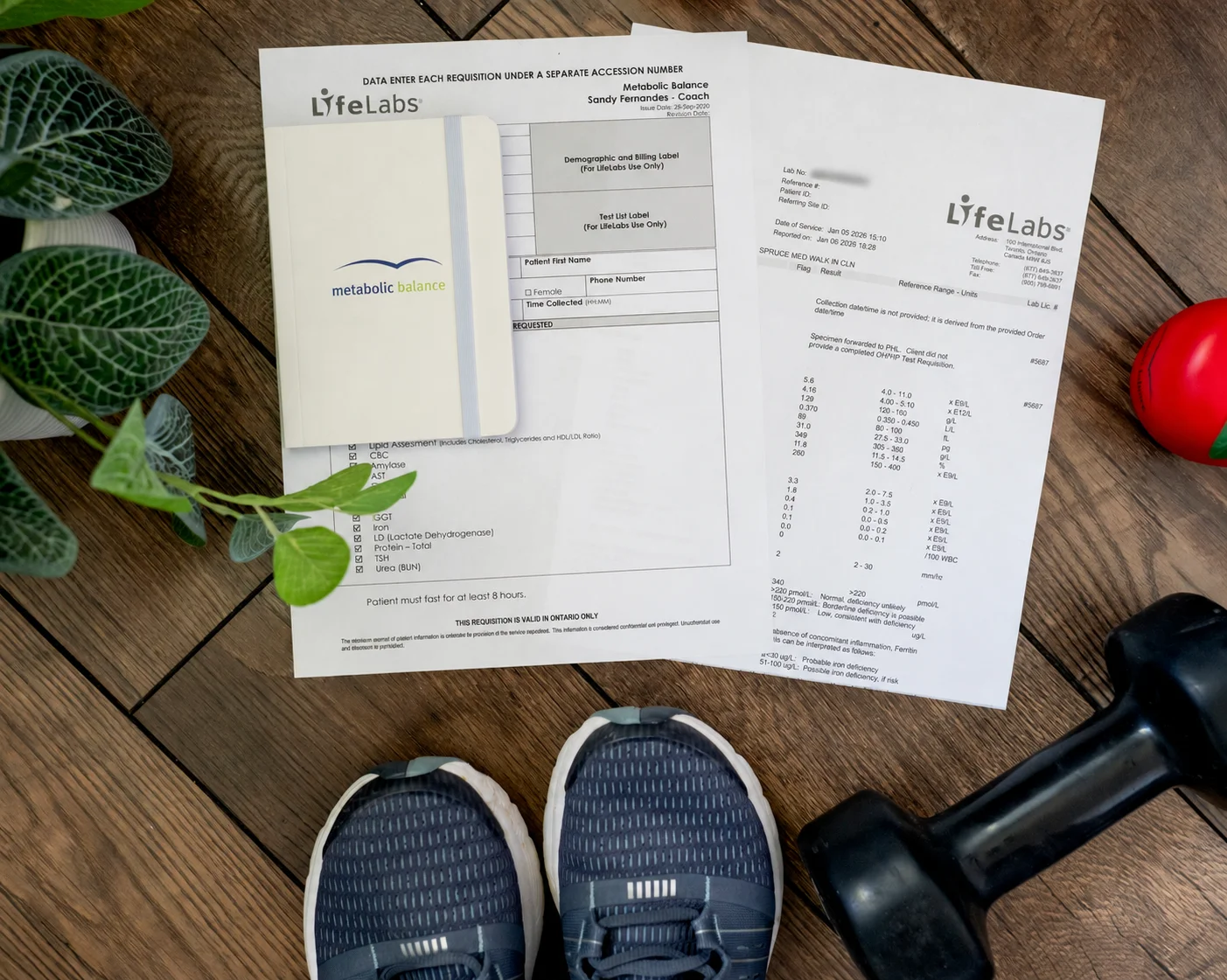
Metabolic Balance gave me a personalized nutrition plan based on my blood work. The program uses blood test results alongside health history and other personal information to create an individual eating plan. Source
For me, having that structure shifted my attention toward the foods I was choosing, my portions, and how I organized my meals.
I wasn’t given a list of specific nutritional deficiencies. What I had was a plan to follow and an opportunity to pay attention to how I felt while following it.
That distinction matters in telling my story. The changes I can speak to directly are the ones I experienced.
Fewer Cravings and Steadier Energy Between Meals
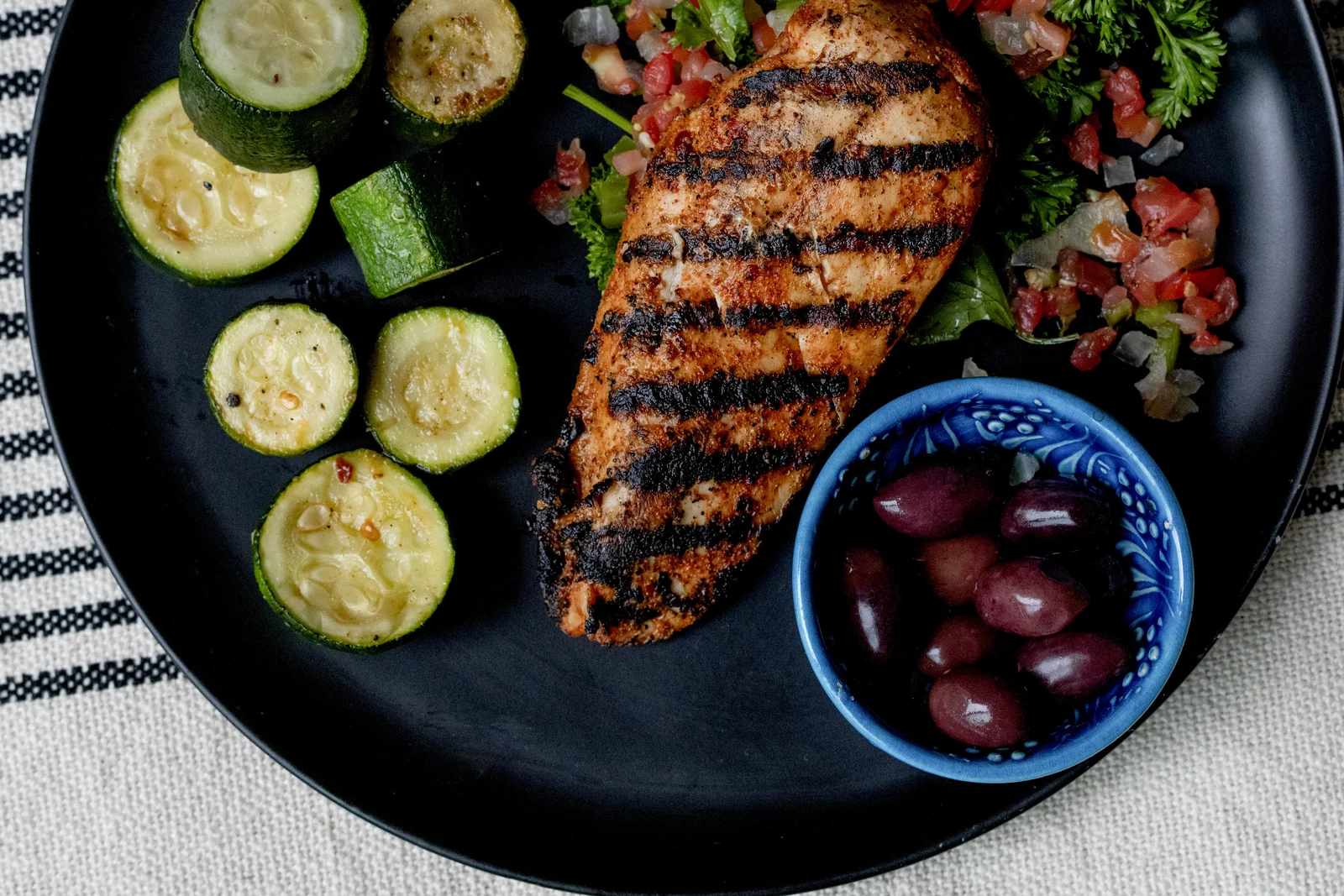
As I followed my plan, I noticed fewer cravings, less desire to snack, and steadier energy between meals.
Those changes became an important part of the experience.
Weight had taken up so much of my attention that it was easy to overlook the value of feeling satisfied after a meal and having my energy carry me through to the next one.
I began paying closer attention to those everyday signs. How did I feel after eating? Was I satisfied? How was my energy between meals? Was I continually thinking about finding something else to eat?
For me, those questions helped broaden the way I thought about progress.
My own experience is what I bring to this story. Each person’s response to a nutrition plan will be individual.
The Question I Started Asking
The biggest change in my thinking came when I began asking, “What does my body need, and am I giving it enough of that?”
That question made me look more carefully at the quality and structure of my meals. It encouraged me to consider possible nutritional gaps and whether my eating habits were helping me feel nourished and satisfied.
I had spent a long time approaching weight gain through the lens of cutting back. Metabolic Balance helped me give more attention to building meals I could follow consistently and feel good eating.
That was the turning point.
How This Shapes My Coaching for Women in Midlife
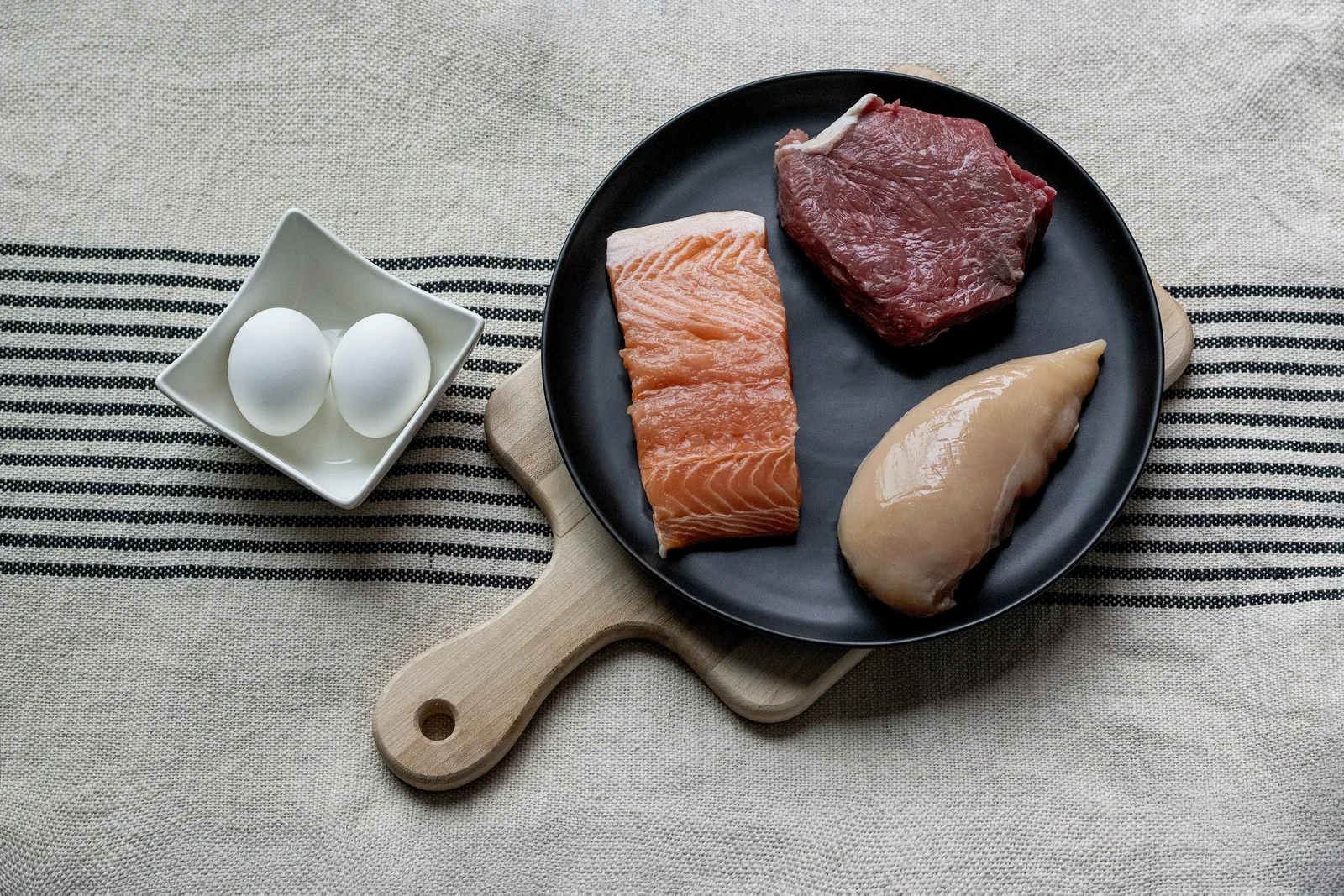
My experience influences the conversations I have with women who feel frustrated with their weight.
I understand how discouraging it can be to put in consistent effort and feel as though you’re going around in circles. I also understand why another instruction to “eat less” can feel exhausting when that is already what you’ve been trying to do.
In my coaching, I want to understand what your days actually look like. What are you eating? How do you feel between meals? What happens when work gets busy or you’ve slept poorly? Which parts of your routine feel manageable, and where do you need support?
My approach considers nutrition, sleep, stress, and movement. Those conversations help us understand how to fit changes into your everyday life.
Within my Metabolic Balance coaching, your personalized food plan provides structure, and our work together helps you put it into practice.
A Different Starting Point for Menopause Weight Gain
Looking back, what changed most was my starting point.
I began giving more attention to nourishment, satisfaction, and how I felt throughout the day. Fewer cravings, less desire to snack, and steadier energy between meals gave me experiences I could recognize in daily life.
That is why Metabolic Balance changed my approach to menopause. It helped me ask better questions about how I was caring for myself, and those questions continue to shape my coaching.
If you’re navigating weight gain in perimenopause or menopause and feel as though you’ve been turning your wheels, I’d be happy to hear about your experience.
If you’d like to learn more about my Metabolic Balance coaching, email me and we can arrange a 15-minute chat to talk about your goals and see whether we’re a good fit.
Sandy Fernandes is a health and wellness coach, a certified Metabolic Balance® coach, and Precision Nutrition Level 1 and Level 2 certified. Based in Oakville, Canada, she supports women in midlife and is continuing her studies in holistic nutrition.